Sure! Here’s a shortened version of your topic “Pimples on the Head That You Should Be Aware Of!”—condensed to around 300 words, broken into 7 clear paragraphs:
Pimples on the Head That You Should Be Aware Of!
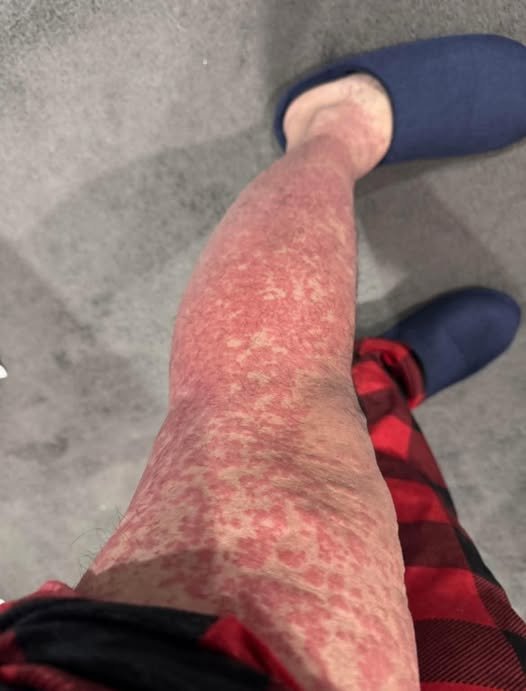
Pimples on the scalp can be more than just a minor annoyance. They can signal various skin conditions or hygiene issues that need attention.
Folliculitis is one of the most common causes. It happens when hair follicles become inflamed, usually due to bacteria, sweat, or clogged pores. These pimples can be itchy, painful, and sometimes filled with pus.
Scalp acne is similar to facial acne. It can result from excessive oil production, hair products, or poor hygiene. These breakouts typically appear along the hairline or at the crown of the head.
Seborrheic dermatitis can sometimes resemble pimples. It’s a chronic condition causing red, scaly patches, often misidentified as acne. It’s linked to yeast on the skin and may require medicated shampoos to treat.
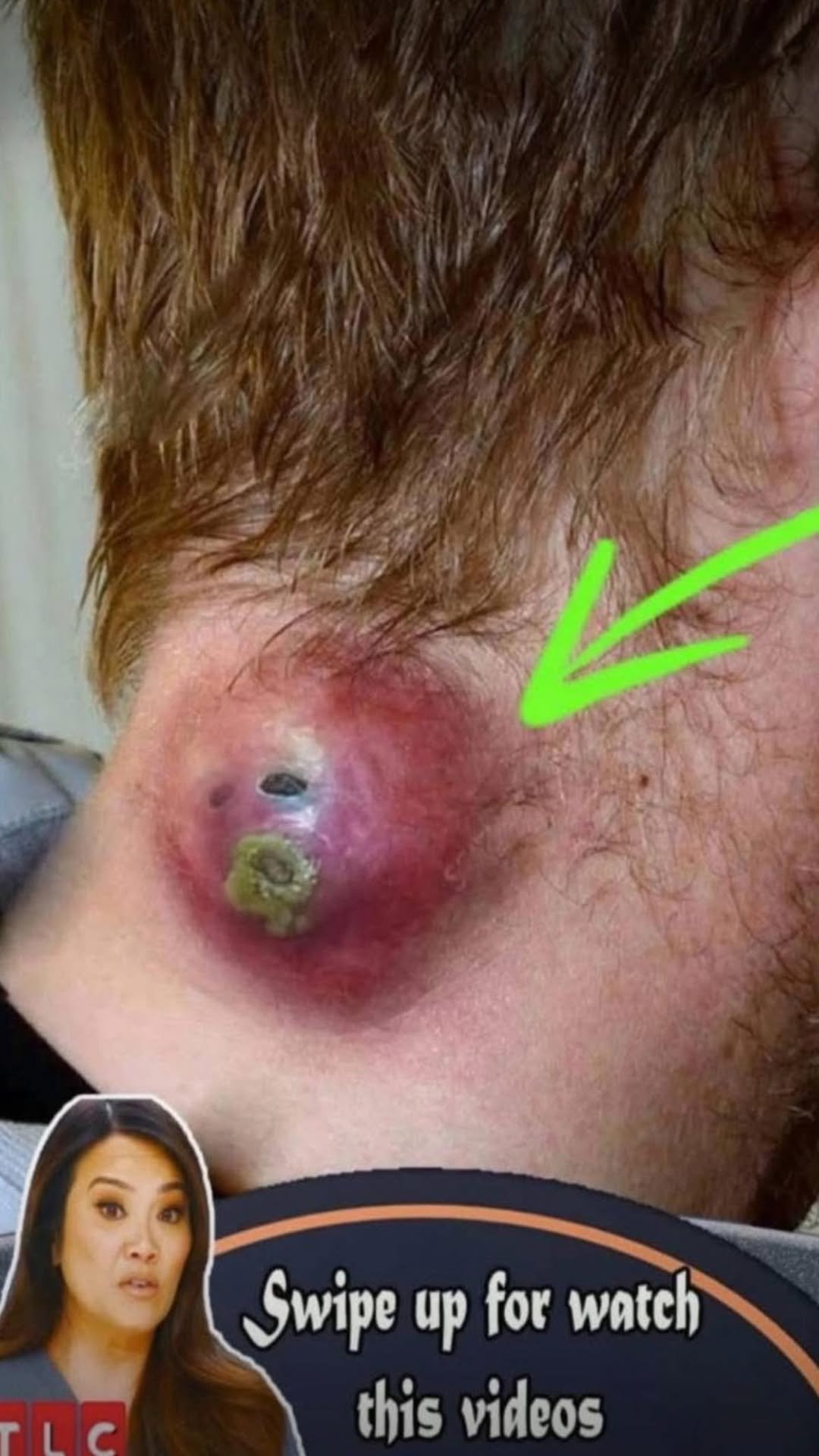
Cysts and boils may also form on the scalp. These are deeper, often more painful than regular pimples, and can be caused by infections or blocked oil glands. If they persist or grow, they should be examined by a healthcare provider.
Fungal infections, such as ringworm of the scalp (tinea capitis), can cause itchy, inflamed bumps or even hair loss in patches. This type of infection requires antifungal treatment.
Allergic reactions to shampoos, hair dyes, or styling products can also lead to scalp irritation and breakouts. If pimples appear after using a new product, discontinue use and consult a dermatologist.
While occasional scalp pimples are usually harmless, frequent or severe outbreaks may need medical evaluation. Proper hygiene, gentle hair care, and avoiding heavy products can help reduce flare-ups.
Different people have different reactions to various situations, substances, or environmental factors. This is because each person’s body is unique, shaped by a combination of genetics, lifestyle, diet, and environmental influences.
However, despite these individual differences, it’s important to recognize that the human body functions as a complex, interconnected system.
In such a system, a change or problem in one area can often influence or be linked to another. For example, symptoms that appear unrelated at first—such as fatigue, skin issues, or digestive discomfort—can sometimes point to underlying health conditions.
Because of this interconnectedness, certain signs and symptoms can serve as warning signals, alerting us to possible health concerns before they become more serious.
These signs may be subtle or easily overlooked, but paying attention to them can help us catch imbalances or illnesses in their early stages. By understanding how different parts of our body are related, and by staying in tune with how we feel physically and mentally, we can become more proactive in maintaining our overall well-being. Regular checkups, listening to your body, and seeking medical advice when something feels off are all essential steps in preventing health problems and promoting long-term health.
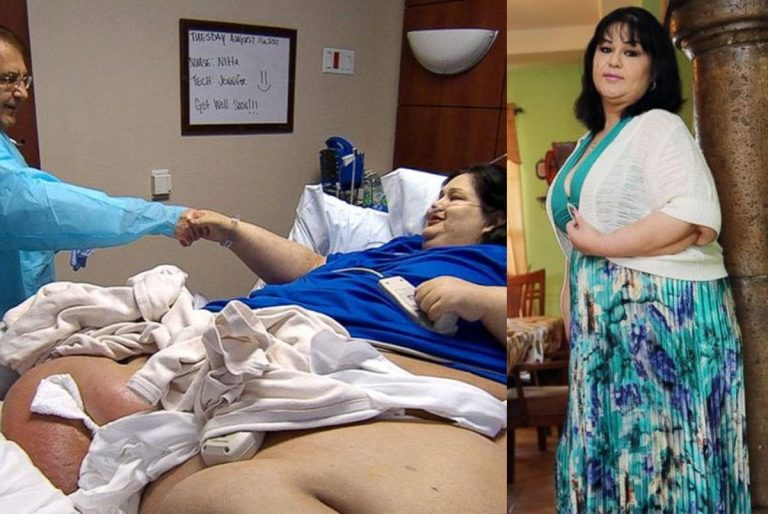
Pauline Potter once gained global attention by consuming a shocking breakfast of six scrambled eggs, half a pound of bacon, four hash browns, six slices of buttered bread, and an ice cream milkshake — all in an effort to become the world’s heaviest woman.
By 2012, she weighed 50 stone (700 pounds) and officially entered the Guinness Book of Records as the World’s Heaviest Living Woman. At the time, she was part of a group called Supersize Big Beautiful Women, who believed that bigger meant more beautiful.
However, the reality of her weight soon took a toll. Years of relying on others to help prevent skin infections by applying corn starch pushed her to make a change. She joined the reality show My 600-lb Life and began working with renowned weight-loss surgeon Dr. Younan Nowzaradan.
Pauline initially struggled with the required 1,200-calorie diet and even considered quitting. Despite setbacks, she eventually lost enough weight to qualify for surgery and shed 300 pounds, which allowed her to undergo life-changing skin removal.
By October 2021, Dr. Now proudly shared her incredible transformation on Instagram, praising her dedication and emphasizing that surgery is just a tool, not a quick fix. He stressed the importance of commitment and mindset in achieving long-term success.
By January 2023, Pauline had lost over 520 pounds and was embracing a healthier lifestyle in California.
Since early 2023, Pauline has gone quiet on social media, but her journey remains an inspiring example of resilience and transformation.
Many people think weight gain is just about lack of willpower, but that’s far too simplistic. Genetics, hormones, and lifestyle all play a role, and some people face more challenges than others. Still, with commitment and support, major transformations are possible. Here are 10 of the most inspiring weight loss stories that prove how powerful determination can be:
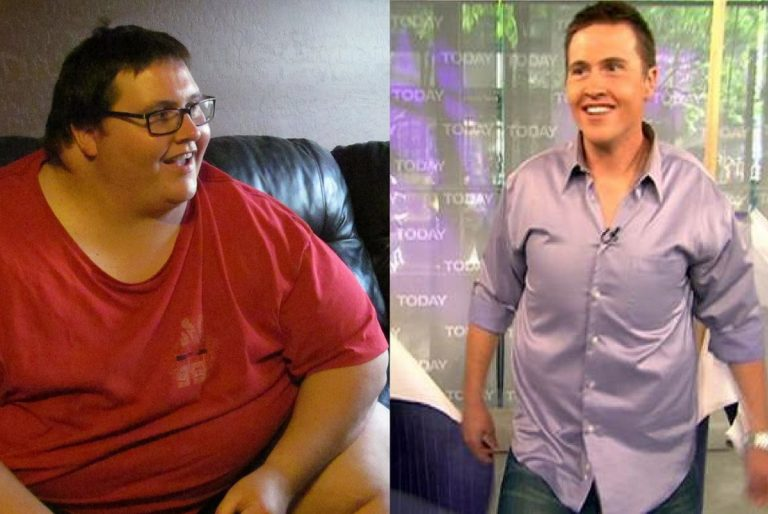
David Elmore Smith – Lost 185kg (62%). Once 294kg, David turned his life around with trainer Chris Powell’s help and small daily changes.
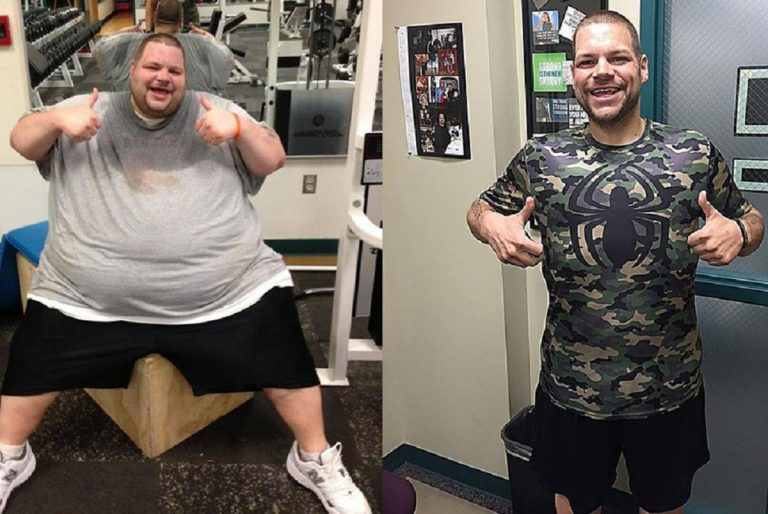
Ronnie Brewer – Lost 180kg + 16kg skin (65%). After reaching 306kg, he used gym training and diet to change his life in two years.
Danny Cahill – Lost 108kg (55.8%). Winner of The Biggest Loser, but later suffered metabolic issues despite his success.
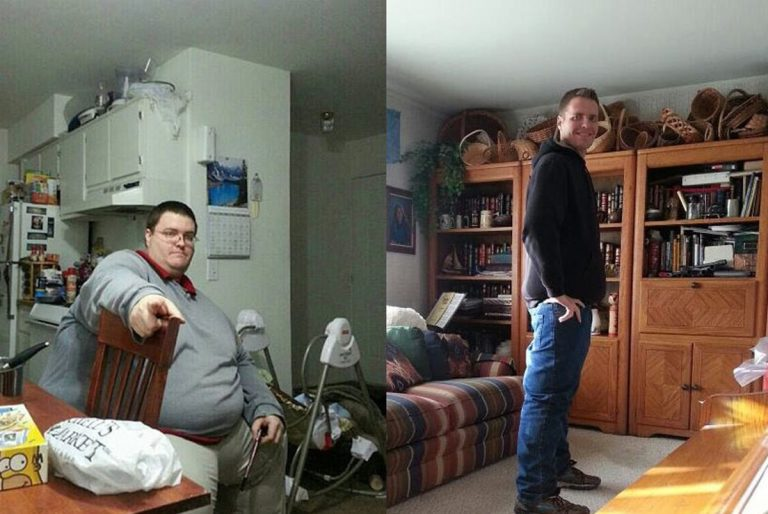
Brian Flemming – Lost 165kg (58%). From 283kg and deep depression, Brian turned to exercise and healthy habits after a wake-up call.
Mayra Rosales – Lost 360kg (80%). Once nearly 470kg, her story involved 11 surgeries and a transformation few thought possible.
These stories show that change is possible, even in the toughest situations. It’s not about perfection — it’s about persistence.
Discover how skin signals can help diagnose serious diseases accurately, leading to timely treatment and improved outcomes.
Serious diseases can manifest through skin indicators, extending beyond acne. Neglecting skin issues for appearance’s sake can worsen the situation. Numerous skin signals exist as red flags for underlying serious diseases.
*Please, be aware that we DO NOT intend to provide medical advice. Any content in our materials is purely for informational purposes. We strongly suggest seeking healthcare professionals’ guidance.READ MORE BELOW
Acne is a common skin condition that affects millions of people worldwide, particularly teenagers and young adults. It occurs when hair follicles become clogged with oil, dead skin cells, and bacteria, leading to inflammation. The most common types of acne include blackheads, whiteheads, papules, pustules, nodules, and cysts. While acne is not a life-threatening condition, it can significantly impact self-esteem and mental well-being, making it an important issue to understand and address.
Our bodies constantly communicate our health status through various signs. Here are eight important cues to pay attention to:
A cyst is a small pocket of tissue often filled with fluid or pus. It can occur due to an injury, infection, or other issues. They’re usually benign but may need treatment for complications.
Cysts can vary in appearance depending on their type and location. Here are 11 types of cysts.
Epidermoid cyst
Epidermoid cysts are small, benign bumps filled with keratin. Kertain is a protein that’s essential in forming your skin, hair, and nails. Epidermoid cysts occur when something blocks hair follicles, and skin cells build up beneath this blockage.
These cysts can look like a skin-colored, tan, or yellowish bump filled with thick material. They typically occur on your face, neck, or torso, but can occur across your body.
In rare cases, epidermoid cysts can be caused by an inherited condition called Gardner syndrome.
Sebaceous cyst
Sebaceous cysts are filled with sebum and are less common than epidermoid cysts. They often form within sebaceous glands, which are part of your skin and hair follicles. Sebaceous glands make oil for your skin and hair.
These cysts most commonly occur on your face, neck, or torso, and are often the result of damage to sebaceous glands.
Breast cyst
Benign cysts can develop when fluid collects near your breast glands. They can cause pain or tenderness in the affected area.
While breast cysts are noncancerous, there are many possible other more serious causes for a lump in your breast. It’s important to be familiar with how your breasts typically feel so you’re aware of changes. This way, you’re more likely to notice changes right away.
You should try to make an appointment to see a healthcare professional if:
you discover a new lump
an area of your breast is noticeably different than the rest
a lump changes or grows larger
you notice unexpected discharge from the nipple
you have an inverted nipple, and it wasn’t always inverted
Ganglion cyst
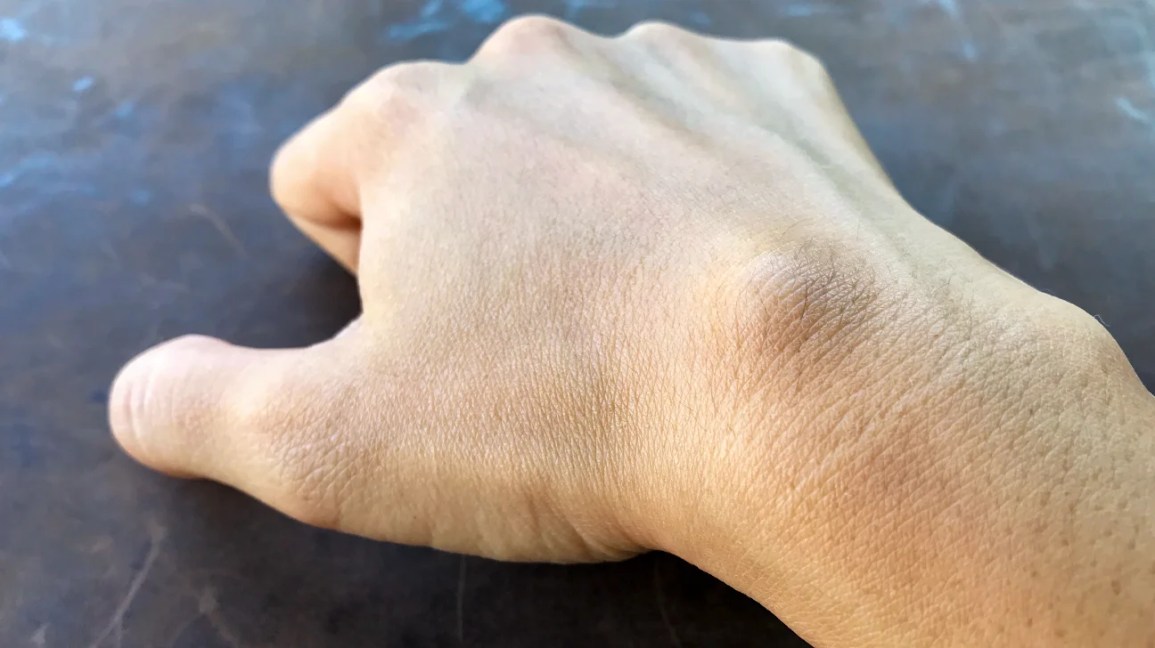
A ganglion cyst is a round, gel-filled lump of tissue that usually appears along tendons or joints, especially in the hands, wrists, ankles, and feet. Fluid accumulation can occur due to injury, trauma, or overuse, but often the cause is unknown.
A ganglion cyst is common, harmless, and doesn’t cause pain or difficulties unless it grows and puts pressure on other structures.
Pilonidal cyst
A pilonidal cyst is a common skin condition that forms in the cleft at the top of your buttocks. It consists of a small hole or tunnel in the skin that may become infected and fill with fluid or pus and it typically occurs after puberty.
Changing hormones, hair growth, and friction from clothes or from spending a long time sitting may all cause a pilonidal cyst.
Symptoms of an infection include:
pain when sitting or standing
discolored or sore skin around the area
pus or blood draining from the abscess, causing a foul odor
swelling of the cyst
hair protruding from the lesion
Ovarian cyst
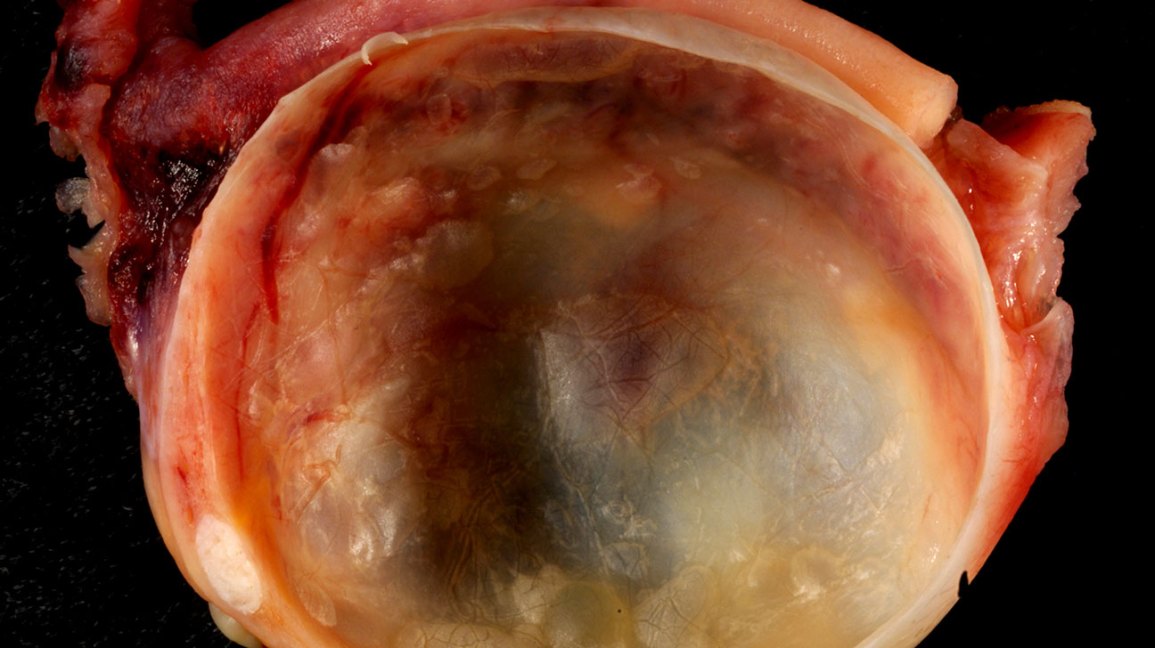
Ovarian cysts often form when the follicle that normally releases an egg doesn’t open. This causes fluid to build up and form a cyst.
Another common type of ovarian cyst occurs after the follicle releases the egg and improperly recloses and collects fluid.
Ovarian cysts occur most often in those of menstrual age and are typically first found during pelvic exams.
Ovarian cysts are associated with an increased risk of cancer when they occur after menopause.
Baker (popliteal) cyst
A Baker cyst is a swollen, fluid-filled sac at the back of your knee.
Causes of Baker cysts include conditions or occurrences that affect the joints such as arthritis, inflammation from repetitive stress, or a cartilage injury. Baker cysts can cause inflammation and pain and lower range of motion in your knee.
Physical therapy, fluid draining, and medication can all be used to help treat a Baker cyst.
Pilar cyst
A pilar cyst is a noncancerous, skin-colored, round bump that develops under the surface of your skin. They usually affect the skin on the scalp and results from protein buildup in a hair follicle.
They’re not cancerous, but they can grow to a size that can be uncomfortable.
Mucous cyst
A mucous cyst is a fluid-filled lump that forms on your lip or around your mouth when the salivary glands become plugged with mucus. The most common causes of mucous cysts include:
lip or cheek biting
lip piercings
rupture of the salivary gland
improper dental hygiene
Mucous cysts will often go away on their own. But if you have recurring or frequent mucous cysts, you may need medical treatment.
Branchial cleft cyst
A branchial cleft cyst is a type of developmental irregularity in which a lump develops on one or both sides of your neck or below your collarbone. It occurs during embryonic development when tissues in your neck and collarbone, or branchial cleft, develop differently.
In most cases, a branchial cleft cyst isn’t dangerous. But it may cause skin irritation, skin infection, or — in very rare adult cases — cancer.
Perineural (Tarlov) cyst
A perineural cyst is a fluid-filled sac that forms on the spine.
Causes are unknown, but it may result from back trauma, including falls, injuries, and heavy exertion.
A perineural cyst can cause pain in your lower back, buttocks, or legs, but this is rare. If you do have symptoms, draining the fluid can help to relieve them.
A pseudocyst shares some of the characteristics of a cyst, but the bump doesn’t have its own lining. Here are three types of pseudocysts.
Folliculitis (ingrown hair cyst)
Folliculitis is an infection of hair follicles. It’s often the result of a fungal or bacterial infection and can often resemble acne.
These pseudocysts are often seen in people who use hair removal methods like shaving or waxing. Ingrown hair cysts are an example of folliculitis. While ingrown hair cysts are possible, if you have bumps that appear near ingrown hairs, there’s a good chance that they’re actually razor bumps instead.
Razor bumps are also known as pseudofolliculitis barbae, which is a type of pseudofolliculitis. Unlike folliculitis, pseudofolliculitis isn’t usually infectious.
Chalazion
A chalazion is a small, usually painless lump on your eyelids that occurs when the duct of the meibomian gland, an oil gland, is blocked.
These pseudocysts can cause tenderness, blurred vision, and painful swelling. If they get too big, they can cause vision difficulties.
Cystic acne
Cystic acne results from a combination of bacteria, oil, and dead skin clogging the pores. It’s the most severe type of acne, but it usually improves with age.
Cystic acne can look like large, pus-filled boils on the skin. It can also be painful to the touch. If these boils rupture, they can cause scarring.
Cystic acne most commonly occurs on your face, chest, neck, back, and arms.
If you believe you may have cystic acne, a dermatologist can prescribe medications to help treat it.
The primary causes of acne include excess oil production, clogged pores, bacterial infections, and hormonal fluctuations. Hormones, particularly androgens, stimulate the sebaceous glands to produce more oil, increasing the likelihood of clogged pores. Genetics also play a crucial role, as people with a family history of acne are more likely to develop it. Other contributing factors include stress, certain medications, diet, and environmental pollutants. Understanding these triggers can help individuals take preventive measures to reduce breakouts.
Acne can be categorized into different severity levels, from mild to severe. Mild acne typically consists of blackheads and whiteheads, while moderate acne includes inflamed pimples and pustules. Severe acne is characterized by painful nodules and cysts, which can lead to scarring if not treated properly. The severity of acne determines the best treatment approach, ranging from over-the-counter products to prescription medications. Early intervention is crucial in preventing long-term skin damage.
There are various treatment options available for acne, depending on its severity and underlying causes. Mild acne can often be managed with topical treatments containing ingredients like benzoyl peroxide, salicylic acid, or retinoids. For moderate to severe cases, dermatologists may prescribe oral antibiotics, hormonal therapies, or isotretinoin (commonly known as Accutane). Additionally, professional treatments such as chemical peels, laser therapy, and extractions can help improve the skin’s condition.
Skincare plays a vital role in acne prevention and management. A proper skincare routine should include gentle cleansing, exfoliation, hydration, and sun protection. Using non-comedogenic products that do not clog pores is essential for acne-prone skin. It is also important to avoid excessive touching or picking at acne lesions, as this can worsen inflammation and lead to scarring. Maintaining a healthy diet, managing stress, and staying hydrated can also contribute to clearer skin.
Acne is a complex condition influenced by multiple factors, but with the right knowledge and care, it can be effectively managed. While there is no universal cure, advancements in dermatology have provided various treatment options to help individuals achieve healthier skin. Consulting a dermatologist for personalized advice is always recommended, especially for persistent or severe acne. By adopting a consistent skincare routine and making lifestyle adjustments, many people can significantly reduce breakouts and improve their overall skin health.
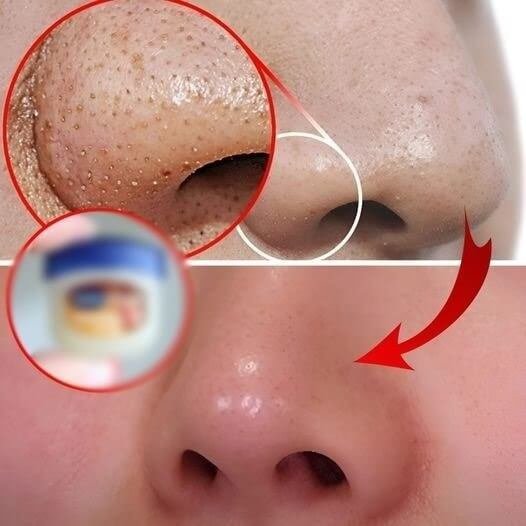
Squeezing blackheads on the nose is common, but doing it the wrong way can lead to irritation, infection, or scarring. Warming your face with a hot towel or compress for 10–15 minutes softens the skin and opens pores, making extraction easier. Regular warm compresses before bed also help loosen buildup. After squeezing, wash your hands, cleanse your face gently with a mild cleanser, and moisturize with an oil-free lotion. Avoid picking or using sharp tools like needles or pins. Use clean tissues to prevent bacteria spread, and for best results, use a comedone extractor—a looped tool designed to remove blackheads gently without damaging the skin.
If you’re struggling with blackheads and looking for a simple, natural way to clear your pores and achieve smooth skin, this Vaseline and makeup remover oil method is a game-changer. It’s an easy, effective DIY treatment that helps to gently remove blackheads and cleanse your nose area. The combination of warm compress, Vaseline, and makeup remover oil softens your pores and helps to lift out dirt and debris.
Ingredients:
5 cotton swabs
1 jar of Vaseline (or any other wax/fat moisturizer)
1 cotton towel
1 piece of food wrap (about 15cm x 7cm)
1 glass of warm water
3 makeup remover cotton pads soaked in rose water
Cleanser (gentle and non-drying)
Makeup remover oil
Step-by-Step Instructions:
Step 1: Apply Vaseline
Take a cotton swab and dip it into the Vaseline.
Gently sweep the Vaseline evenly across the area of your nose where blackheads are present. Make sure it’s well-coated but not too thick.
Step 2: Cover with Plastic Wrap
Cut a small piece of plastic wrap (about 15cm x 7cm).
Carefully place the plastic wrap over the area of your nose where you applied the Vaseline. Ensure it directly covers the Vaseline layer to help lock in warmth.
Step 3: Apply Hot Towel
Dip a cotton towel into warm water, then wring out the excess water.
Place the warm towel over the plastic wrap for about 30 seconds to 1 minute. The heat will help open your pores, allowing the Vaseline to penetrate and loosen blackheads.
Step 4: Remove the Plastic Wrap
After the towel treatment, carefully remove the plastic wrap from your nose.
Use a cotton swab to gently wipe off any remaining Vaseline from your nose.
Step 5: Use Makeup Remover Oil
To completely remove the leftover Vaseline, dip a cotton swab into makeup remover oil.
Gently massage the oil onto your nose. The oil will break down the Vaseline while softening the pores, making it easier to lift the blackheads.
Step 6: Emulsify with Water
After massaging in the makeup remover oil, add a little warm water to emulsify the oil.
Continue massaging in circular motions to remove the remaining Vaseline and oil completely. This helps clean and soften your skin.
Step 7: Final Cleanse and Blackhead Removal
Use a clean cotton swab to gently roll across your nose, from one nostril to the other.
Gently massage the entire nose area to remove any remaining blackheads. The oil residue will help lift out dirt and blackheads from your pores.
Different people have different reactions to various situations, substances, or environmental factors. This is because each person’s body is unique, shaped by a combination of genetics, lifestyle, diet, and environmental influences.
However, despite these individual differences, it’s important to recognize that the human body functions as a complex, interconnected system.
In such a system, a change or problem in one area can often influence or be linked to another. For example, symptoms that appear unrelated at first—such as fatigue, skin issues, or digestive discomfort—can sometimes point to underlying health conditions.
Because of this interconnectedness, certain signs and symptoms can serve as warning signals, alerting us to possible health concerns before they become more serious.
These signs may be subtle or easily overlooked, but paying attention to them can help us catch imbalances or illnesses in their early stages. By understanding how different parts of our body are related, and by staying in tune with how we feel physically and mentally, we can become more proactive in maintaining our overall well-being. Regular checkups, listening to your body, and seeking medical advice when something feels off are all essential steps in preventing health problems and promoting long-term health.
Sleeping with the wrong person can cause deep emotional turmoil that lingers long after the encounter. When intimacy is shared with someone who doesn’t truly respect or value you, it often leaves feelings of regret, emptiness, and confusion.
What may have seemed like a brief moment of pleasure can quickly spiral into emotional attachment, self-doubt, and heartache, especially when the connection lacks mutual care or understanding.
This can also bring social complications—especially if one or both individuals are involved in other relationships—leading to broken trust, damaged friendships, and even public embarrassment.
People may judge, rumors may spread, and reputations can suffer, further impacting one’s mental well-being. Mismatched expectations are another risk: one person might seek emotional closeness or commitment, while the other views it as a casual encounter, resulting in conflict and pain.
On top of that, there are physical health risks like sexually transmitted infections and unplanned pregnancies, which can bring lasting consequences even when protection is used. These situations often come with stress, fear, and life-altering responsibilities, especially when there’s no shared support between the individuals involved. Over time, such experiences can also affect how someone sees themselves and their future relationships. It may create trust issues or a pattern of seeking validation through sex, which only leads to deeper dissatisfaction. The key is to learn from these experiences—by recognizing your own value, setting clear boundaries, and choosing partners who share your emotional and personal values, you can protect your mental, physical, and emotional health moving forward.
Our bodies constantly communicate our health status through various signs. Here are eight important cues to pay attention to:
A cyst is a small pocket of tissue often filled with fluid or pus. It can occur due to an injury, infection, or other issues. They’re usually benign but may need treatment for complications.
Cysts can vary in appearance depending on their type and location. Here are 11 types of cysts.
Epidermoid cyst
Epidermoid cysts are small, benign bumps filled with keratin. Kertain is a protein that’s essential in forming your skin, hair, and nails. Epidermoid cysts occur when something blocks hair follicles, and skin cells build up beneath this blockage.
These cysts can look like a skin-colored, tan, or yellowish bump filled with thick material. They typically occur on your face, neck, or torso, but can occur across your body.
In rare cases, epidermoid cysts can be caused by an inherited condition called Gardner syndrome.
Sebaceous cyst
Sebaceous cysts are filled with sebum and are less common than epidermoid cysts. They often form within sebaceous glands, which are part of your skin and hair follicles. Sebaceous glands make oil for your skin and hair.
These cysts most commonly occur on your face, neck, or torso, and are often the result of damage to sebaceous glands.
Breast cyst
Benign cysts can develop when fluid collects near your breast glands. They can cause pain or tenderness in the affected area.
While breast cysts are noncancerous, there are many possible other more serious causes for a lump in your breast. It’s important to be familiar with how your breasts typically feel so you’re aware of changes. This way, you’re more likely to notice changes right away.
You should try to make an appointment to see a healthcare professional if:
you discover a new lump
an area of your breast is noticeably different than the rest
a lump changes or grows larger
you notice unexpected discharge from the nipple
you have an inverted nipple, and it wasn’t always inverted
Ganglion cyst
A ganglion cyst is a round, gel-filled lump of tissue that usually appears along tendons or joints, especially in the hands, wrists, ankles, and feet. Fluid accumulation can occur due to injury, trauma, or overuse, but often the cause is unknown.
A ganglion cyst is common, harmless, and doesn’t cause pain or difficulties unless it grows and puts pressure on other structures.
Pilonidal cyst
A pilonidal cyst is a common skin condition that forms in the cleft at the top of your buttocks. It consists of a small hole or tunnel in the skin that may become infected and fill with fluid or pus and it typically occurs after puberty.
Changing hormones, hair growth, and friction from clothes or from spending a long time sitting may all cause a pilonidal cyst.
Symptoms of an infection include:
pain when sitting or standing
discolored or sore skin around the area
pus or blood draining from the abscess, causing a foul odor
swelling of the cyst
hair protruding from the lesion
Ovarian cyst
Ovarian cysts often form when the follicle that normally releases an egg doesn’t open. This causes fluid to build up and form a cyst.
Another common type of ovarian cyst occurs after the follicle releases the egg and improperly recloses and collects fluid.
Ovarian cysts occur most often in those of menstrual age and are typically first found during pelvic exams.
Ovarian cysts are associated with an increased risk of cancer when they occur after menopause.
Baker (popliteal) cyst
A Baker cyst is a swollen, fluid-filled sac at the back of your knee.
Causes of Baker cysts include conditions or occurrences that affect the joints such as arthritis, inflammation from repetitive stress, or a cartilage injury. Baker cysts can cause inflammation and pain and lower range of motion in your knee.
Physical therapy, fluid draining, and medication can all be used to help treat a Baker cyst.
Pilar cyst
A pilar cyst is a noncancerous, skin-colored, round bump that develops under the surface of your skin. They usually affect the skin on the scalp and results from protein buildup in a hair follicle.
They’re not cancerous, but they can grow to a size that can be uncomfortable.
Mucous cyst
A mucous cyst is a fluid-filled lump that forms on your lip or around your mouth when the salivary glands become plugged with mucus. The most common causes of mucous cysts include:
lip or cheek biting
lip piercings
rupture of the salivary gland
improper dental hygiene
Mucous cysts will often go away on their own. But if you have recurring or frequent mucous cysts, you may need medical treatment.
Branchial cleft cyst
A branchial cleft cyst is a type of developmental irregularity in which a lump develops on one or both sides of your neck or below your collarbone. It occurs during embryonic development when tissues in your neck and collarbone, or branchial cleft, develop differently.
In most cases, a branchial cleft cyst isn’t dangerous. But it may cause skin irritation, skin infection, or — in very rare adult cases — cancer.
Perineural (Tarlov) cyst
A perineural cyst is a fluid-filled sac that forms on the spine.
Causes are unknown, but it may result from back trauma, including falls, injuries, and heavy exertion.
A perineural cyst can cause pain in your lower back, buttocks, or legs, but this is rare. If you do have symptoms, draining the fluid can help to relieve them.
A pseudocyst shares some of the characteristics of a cyst, but the bump doesn’t have its own lining. Here are three types of pseudocysts.
Folliculitis (ingrown hair cyst)
Folliculitis is an infection of hair follicles. It’s often the result of a fungal or bacterial infection and can often resemble acne.
These pseudocysts are often seen in people who use hair removal methods like shaving or waxing. Ingrown hair cysts are an example of folliculitis. While ingrown hair cysts are possible, if you have bumps that appear near ingrown hairs, there’s a good chance that they’re actually razor bumps instead.
Razor bumps are also known as pseudofolliculitis barbae, which is a type of pseudofolliculitis. Unlike folliculitis, pseudofolliculitis isn’t usually infectious.
Chalazion
A chalazion is a small, usually painless lump on your eyelids that occurs when the duct of the meibomian gland, an oil gland, is blocked.
These pseudocysts can cause tenderness, blurred vision, and painful swelling. If they get too big, they can cause vision difficulties.
Cystic acne
Cystic acne results from a combination of bacteria, oil, and dead skin clogging the pores. It’s the most severe type of acne, but it usually improves with age.
Cystic acne can look like large, pus-filled boils on the skin. It can also be painful to the touch. If these boils rupture, they can cause scarring.
Cystic acne most commonly occurs on your face, chest, neck, back, and arms.
If you believe you may have cystic acne, a dermatologist can prescribe medications to help treat it.
How to Set Realistic Low Sugar Goals
Making changes to your eating habits can feel overwhelming, especially when it comes to reducing sugar.
But with a thoughtful plan and the right mindset, you can create healthy, lasting habits that are easy to stick with.
Here’s how to set realistic low sugar goals that support your well-being—without stress or extremes.
1. Start by Understanding Your Current Intake
Before setting any goals, it helps to know where you’re starting. For a few days, track the foods and drinks you consume and note how much sugar they contain. Pay attention to:
Sweetened beverages (soda, flavored coffees, energy drinks)
Packaged snacks and baked goods
Sauces, dressings, and condiments
This gives you a clear picture of where sugar shows up in your routine and helps you spot easy areas to cut back.
2. Set One Small Goal at a Time
Trying to eliminate all added sugars overnight can be tough. Instead, aim for one achievable change at a time. For example:
Replace sugary drinks with sparkling water or herbal tea
Choose plain yogurt and add fresh fruit instead of buying pre-sweetened
Limit desserts to a few times a week instead of daily
These small steps can add up to big changes over time.
3. Make Your Goals Specific and Measurable
Vague goals like “eat less sugar” are hard to track. Instead, try something more concrete, such as:
“I will drink water instead of soda five days this week.”
“I’ll have fruit for dessert three times this week.”
Specific goals help you stay focused and motivated.
4. Plan for Treats, Not Perfection
It’s okay to enjoy a treat now and then. In fact, allowing room for balance can make it easier to stick with your goals. Try a flexible approach:
Use the 80/20 rule: eat nourishing foods 80% of the time, and enjoy favorites the other 20%
Plan ahead for special occasions or social events so you can indulge mindfully
5. Check Labels and Learn to Spot Hidden Sugar
Reading labels can be eye-opening. Look out for ingredients like:
Corn syrup
Cane juice
Fructose
Dextrose These all count as added sugar, even if they sound harmless.
Look for products labeled “no added sugar” or “unsweetened” when available, and compare brands to find options with less sweetness.
6. Celebrate Progress, Not Perfection
Changing habits takes time. If you slip up, don’t be discouraged—acknowledge how far you’ve come and refocus on your next goal. Even reducing sugar a little each week can improve how you feel. Try journaling your wins, such as:
My 600 Pound Life has been a show that has seen a lot of popularity during its time. It is a TLC reality series that follows individuals who are morbidly obese.
Watch video in the end of the story
In each episode, a year in the life of one of the individuals is documented and they always attempt to lose weight. Some of them are successful and others, not so much. At times, they are featured in later episodes when they go through a great health journey.
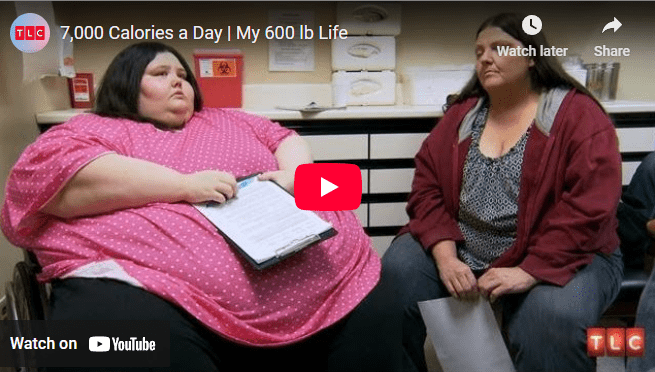
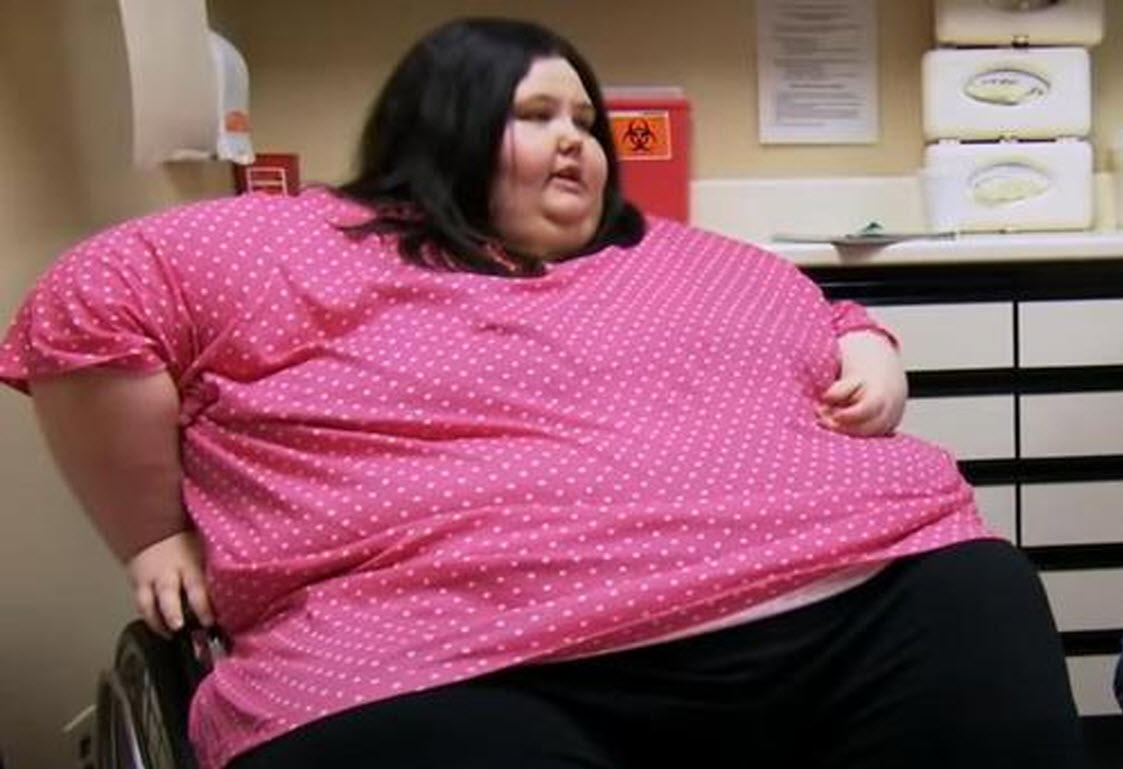
In the second season in 2014, Christina Phillips was featured. She weighed more than 700 pounds at 22 years of age and she had a lot of health problems. Not only was she bedridden, she hadn’t left her house in two years and she had to depend on others for her everyday activities.
Christina realized that it was time to make a change but she also realized that she had a long road in front of her. Since the time she appeared in the reality show, however, she has made a significant difference in her life.
When season two started, Phillips weighed about 640 pounds. Her weight would go up even higher, gaining an additional 60 pounds and weighing in at 708 pounds at the highest. She was morbidly obese and her health was at risk.
She struggled to get by from day-to-day and she was only 22 years old. She couldn’t even walk but a few feet, and this was a time in life when she should be living the best life.
It was impossible for her to hold down a job and she couldn’t clean her own home or take care of her day-to-day responsibilities. She was unhappy, to say the least.
During the episode that focused on Phillips, we learned that she had started putting on weight slowly when she was a young child. When we were introduced to the family situation, it was easy to see that her mother and husband were enabling her.
That is when Dr. Nowzaradan came to document her weight and talk to her about a specific treatment for her. Phillips said that she felt as if she had to lose some weight because her appetite was lower, but her husband Zach, and mother were not so reassuring. The family had been eating a lot of fast food over the past few days.
When Phillips went to Dr. Nowzaradan’s office, she had gained another 17 pounds. Everyone was in shock, but Phillips was concerned that it may have just been excess water. The doctor said that she would have to drink at least 300 gallons of water to make that difference.
The surgeon then said: “You know, that’s very typical. When you got an enabler here, when I ask you a question, the enabler would answer. So, why don’t you let her answer?”
Many people were able to see the difficulties that obese people struggled with in following a diet. Enablers will give them a reward at times, including the cheat meal term and they are only thinking that those will not do any harm.
The doctor explained, however, that it was hard to lose weight and be successful in such a situation. He said: “We need to separate Christina from her enabler, so we’re gonna put her in the hospital.
“Families can either be enablers or encouragers. Having a supportive family for patients on a weight loss journey is an important component to their success. If they don’t have that, it’s almost impossible for them to be successful in the long term, unless they remove those people from their environment. So they either have to change their dynamic with those enablers or separate from them if they want to succeed.”
Not everybody is successful with this type of weight loss therapy but Christina was successful. She entered therapy, determined to understand why she overate, and what she could do to fix the problem.
The doctor said: “Severe obesity is a complex physical and psychological condition with many components. Not realizing how much of their struggle is psychological and not just physical can be the biggest obstacle for change with patients. Many refuse to admit they have any emotional compulsions or compulsive psychological disorders driving them to overeat.”
These days, Phillips is able to do the more simple things in life and she finds a lot of happiness and satisfaction in doing so. She said: “The simple things in life are enjoyable to me. I know that seems silly but it’s the honest answer. Just walking and being able to go to the park with my nephew. [It’s] the most simple thing like taking him to the park or going shopping or driving.
I’m so much more happier now. Being able to wake up in the morning and get out of bed without feeling like I’m gonna die, I thank God every morning for that. I am so blessed to have a second chance at life.”
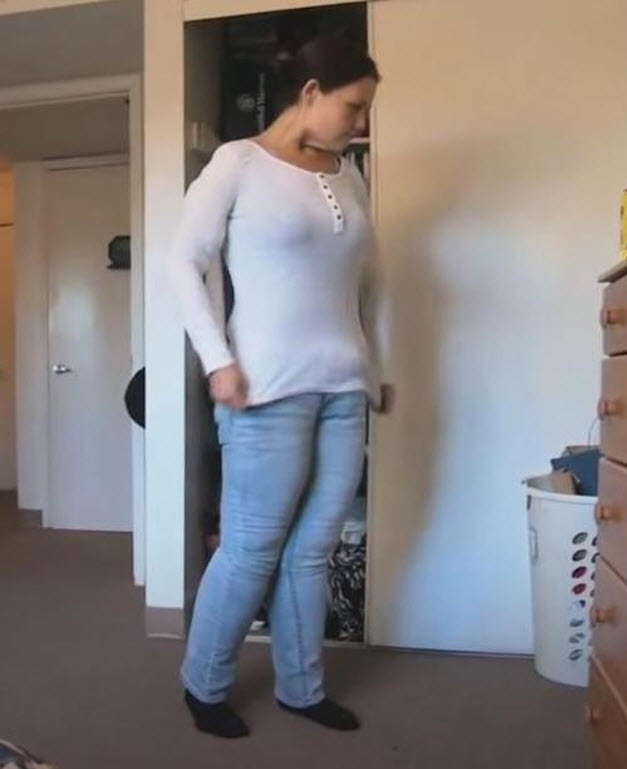
In an interview, she said: “I stay on track by staying away from simple carbs, such as soda, sugar, chips, and processed foods. I make sure I log everything I eat so that I’m staying accountable as well. I also meal prep most of my foods so everything is ready, and I’m not mindlessly grazing. Making sure I get at least 10,000 steps per day and going to the gym at least four times per week has also helped me maintain my weight.
My life has changed so much since the weight loss! I can do things I never imagined possible when I weighed more than 700 pounds. I’ve been able to try indoor skydiving and I can keep up with my 3-year-old nephew, too! I can walk miles without getting tired. And that’s a long way from when just a few feet made me feel like I was dying.”
She is also now divorced and recovering from an abusive relationship.
These days, Phillips is enjoying the best life and in a Facebook post from 2020, it revealed that she was pregnant with her first child.