Sure! Here’s a shortened version of your topic “Pimples on the Head That You Should Be Aware Of!”—condensed to around 300 words, broken into 7 clear paragraphs:
Pimples on the Head That You Should Be Aware Of!
Pimples on the scalp can be more than just a minor annoyance. They can signal various skin conditions or hygiene issues that need attention.
Folliculitis is one of the most common causes. It happens when hair follicles become inflamed, usually due to bacteria, sweat, or clogged pores. These pimples can be itchy, painful, and sometimes filled with pus.
Scalp acne is similar to facial acne. It can result from excessive oil production, hair products, or poor hygiene. These breakouts typically appear along the hairline or at the crown of the head.
Seborrheic dermatitis can sometimes resemble pimples. It’s a chronic condition causing red, scaly patches, often misidentified as acne. It’s linked to yeast on the skin and may require medicated shampoos to treat.
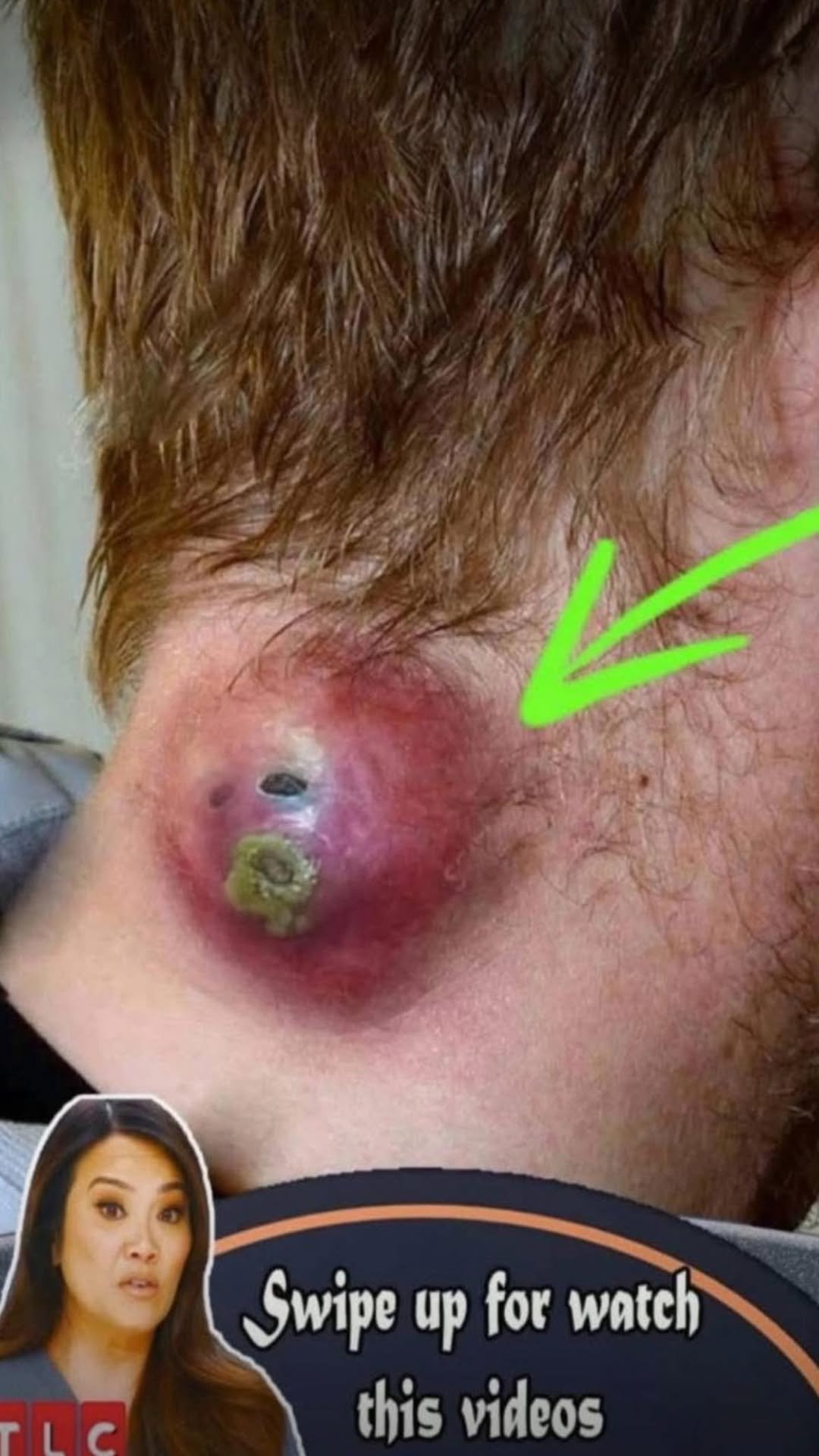
Cysts and boils may also form on the scalp. These are deeper, often more painful than regular pimples, and can be caused by infections or blocked oil glands. If they persist or grow, they should be examined by a healthcare provider.
Fungal infections, such as ringworm of the scalp (tinea capitis), can cause itchy, inflamed bumps or even hair loss in patches. This type of infection requires antifungal treatment.
Allergic reactions to shampoos, hair dyes, or styling products can also lead to scalp irritation and breakouts. If pimples appear after using a new product, discontinue use and consult a dermatologist.
While occasional scalp pimples are usually harmless, frequent or severe outbreaks may need medical evaluation. Proper hygiene, gentle hair care, and avoiding heavy products can help reduce flare-ups.
Different people have different reactions to various situations, substances, or environmental factors. This is because each person’s body is unique, shaped by a combination of genetics, lifestyle, diet, and environmental influences.
However, despite these individual differences, it’s important to recognize that the human body functions as a complex, interconnected system.
In such a system, a change or problem in one area can often influence or be linked to another. For example, symptoms that appear unrelated at first—such as fatigue, skin issues, or digestive discomfort—can sometimes point to underlying health conditions.
Because of this interconnectedness, certain signs and symptoms can serve as warning signals, alerting us to possible health concerns before they become more serious.
These signs may be subtle or easily overlooked, but paying attention to them can help us catch imbalances or illnesses in their early stages. By understanding how different parts of our body are related, and by staying in tune with how we feel physically and mentally, we can become more proactive in maintaining our overall well-being. Regular checkups, listening to your body, and seeking medical advice when something feels off are all essential steps in preventing health problems and promoting long-term health.
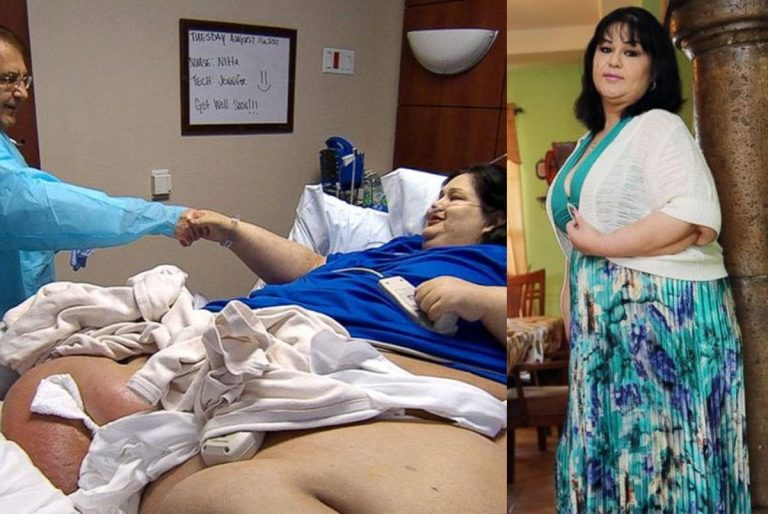
Pauline Potter once gained global attention by consuming a shocking breakfast of six scrambled eggs, half a pound of bacon, four hash browns, six slices of buttered bread, and an ice cream milkshake — all in an effort to become the world’s heaviest woman.
By 2012, she weighed 50 stone (700 pounds) and officially entered the Guinness Book of Records as the World’s Heaviest Living Woman. At the time, she was part of a group called Supersize Big Beautiful Women, who believed that bigger meant more beautiful.
However, the reality of her weight soon took a toll. Years of relying on others to help prevent skin infections by applying corn starch pushed her to make a change. She joined the reality show My 600-lb Life and began working with renowned weight-loss surgeon Dr. Younan Nowzaradan.
Pauline initially struggled with the required 1,200-calorie diet and even considered quitting. Despite setbacks, she eventually lost enough weight to qualify for surgery and shed 300 pounds, which allowed her to undergo life-changing skin removal.
By October 2021, Dr. Now proudly shared her incredible transformation on Instagram, praising her dedication and emphasizing that surgery is just a tool, not a quick fix. He stressed the importance of commitment and mindset in achieving long-term success.
By January 2023, Pauline had lost over 520 pounds and was embracing a healthier lifestyle in California.
Since early 2023, Pauline has gone quiet on social media, but her journey remains an inspiring example of resilience and transformation.
Many people think weight gain is just about lack of willpower, but that’s far too simplistic. Genetics, hormones, and lifestyle all play a role, and some people face more challenges than others. Still, with commitment and support, major transformations are possible. Here are 10 of the most inspiring weight loss stories that prove how powerful determination can be:
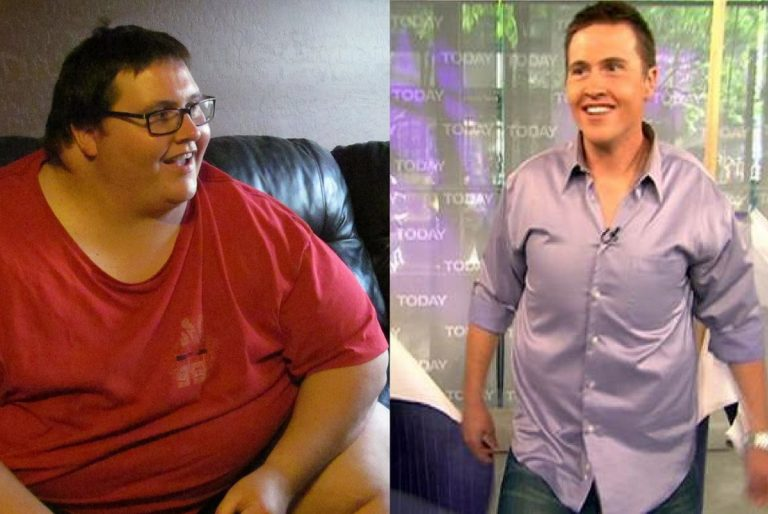
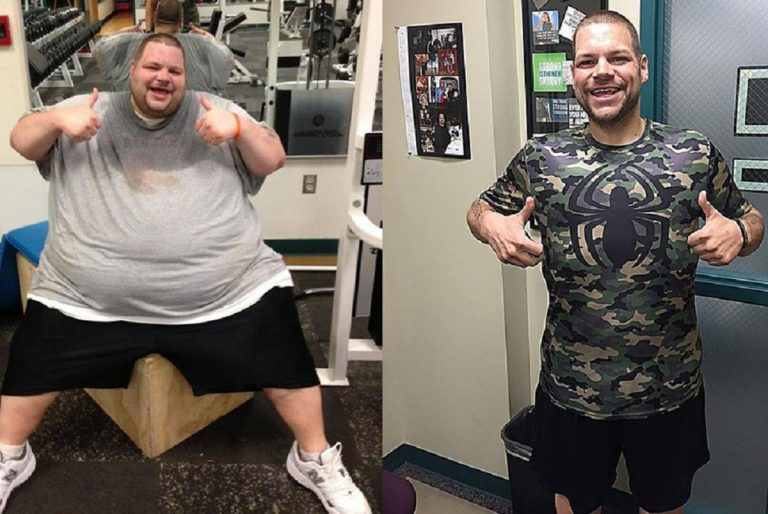
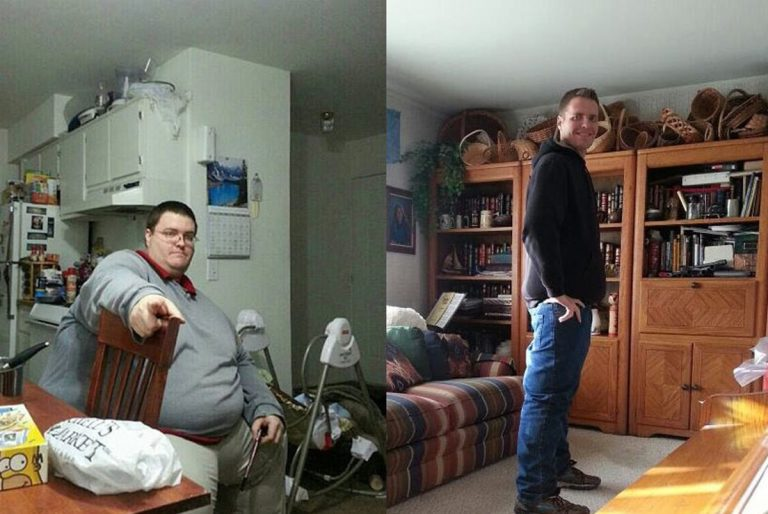
David Elmore Smith – Lost 185kg (62%). Once 294kg, David turned his life around with trainer Chris Powell’s help and small daily changes.
Ronnie Brewer – Lost 180kg + 16kg skin (65%). After reaching 306kg, he used gym training and diet to change his life in two years.
Danny Cahill – Lost 108kg (55.8%). Winner of The Biggest Loser, but later suffered metabolic issues despite his success.
Brian Flemming – Lost 165kg (58%). From 283kg and deep depression, Brian turned to exercise and healthy habits after a wake-up call.
Mayra Rosales – Lost 360kg (80%). Once nearly 470kg, her story involved 11 surgeries and a transformation few thought possible.
These stories show that change is possible, even in the toughest situations. It’s not about perfection — it’s about persistence.
Hulk Hogan, the wrestling icon and actor who became the most recognized star in the sport, has died. He was 71.
According to the Clearwater Police Department in Florida, Hogan died Thursday morning due to cardiac arrest. He was treated by a rescue crew before being taken to the hospital, where he was pronounced dead.
Hogan, born Terry Gene Bollea, grew up in Florida. The WWE Hall of Fame wrestler, known for walking out to his theme song “Real American,” represented national patriotism within the wrestling world. He soared to fame in the 1980s after winning against the Iron Sheik and cementing “Hulkamania” momentum in one of the most culturally impactful matches of his career. That fight made him the World Wrestling Federation’s heavyweight winner.
He later lost the championship title competing against Andre the Giant in 1988. Hogan stepped away from the WWF (now known as WWE) in the 1990s after a steroid controversy. The ’90s also saw the wrestler further his acting pursuits. He had already played a part in 1982’s “Rocky III,” and his Hollywood career continued with roles in 1990’s “Gremlins 2: The New Batch,” 1991’s “Suburban Commando,” 1993’s “Mr. Nanny” and 1996’s “Santa With Muscles.”
“WWE is saddened to learn WWE Hall of Famer Hulk Hogan has passed away. One of pop culture’s most recognizable figures, Hogan helped WWE achieve global recognition in the 1980s. WWE extends its condolences to Hogan’s family, friends, and fans,” the WWE wrote on social media.
Hogan decided to fight for World Championship Wrestling, a WWE competitor, in 1994. He debuted his heel persona, Hollywood Hogan, in 1996, and rejoined WWE in the early 2000s.
In 2012, the online news outlet Gawker published a sex tape of Hogan and Heather Clem, who was married to Hogan’s friend, Bubba the Love Sponge. Hogan then sued Gawker and won $140 million in an infamous legal fight that shut down the outlet and led to a debate over online privacy and First Amendment rights.
Although Hogan was inducted into the WWE Hall of Fame in 2005, the organization removed that honor in 2015 in light of his use of a racial slur in another sex tape. He was reinstated in 2018.
Hogan was a supporter of Donald Trump and spoke in favor of the the candidate at the Republican National Convention in 2024.
Hogan is survived by his wife, Sky Hogan, as well as his ex-wife Linda Hogan and their children, Brooke Hogan and Nick Hogan. He and Linda Hogan’s marriage lasted from 1983 to 2009. He was also married to Jennifer McDaniel from 2010 to 2021.
Body acne, often appearing on the back, chest, or shoulders, can be stubborn and uncomfortable. Fortunately, there are effective ways to treat and prevent it. Here are four practical tips to help you get clear skin.
1. Shower After Sweating
Sweat can trap dirt and oil in your pores, leading to breakouts. Always shower as soon as possible after working out or sweating heavily. Use a gentle, non-comedogenic body wash to cleanse the skin.
2. Exfoliate Regularly
Dead skin cells can clog pores and trigger acne. Use a chemical exfoliant like salicylic acid or glycolic acid 2–3 times a week. These ingredients penetrate deep into pores and help prevent future breakouts.
3. Wear Breathable Fabrics
Tight or non-breathable clothing can irritate the skin and worsen acne. Opt for loose-fitting, moisture-wicking fabrics, especially during workouts. Change clothes quickly after sweating.
4. Use Targeted Treatments
Topical treatments with ingredients like benzoyl peroxide or tea tree oil can reduce inflammation and kill acne-causing bacteria. Apply these to affected areas daily, and be consistent for best results.
Avoid Picking or Scratching
Picking at acne can cause irritation, scarring, or even infection. Let treatments do their job, and give your skin time to heal naturally.
Be Consistent with Your Routine
Results take time. Stick to a regular skincare routine for at least 4–6 weeks before expecting visible improvements.
When to See a Dermatologist
If body acne is severe or not improving with over-the-counter treatments, consult a dermatologist. Prescription options may be more effective.
Clear skin takes patience and care. With the right habits and treatments, body acne can be managed and significantly reduced.
Discover how skin signals can help diagnose serious diseases accurately, leading to timely treatment and improved outcomes.
Serious diseases can manifest through skin indicators, extending beyond acne. Neglecting skin issues for appearance’s sake can worsen the situation. Numerous skin signals exist as red flags for underlying serious diseases.
*Please, be aware that we DO NOT intend to provide medical advice. Any content in our materials is purely for informational purposes. We strongly suggest seeking healthcare professionals’ guidance.READ MORE BELOW
Acne is a common skin condition that affects millions of people worldwide, particularly teenagers and young adults. It occurs when hair follicles become clogged with oil, dead skin cells, and bacteria, leading to inflammation. The most common types of acne include blackheads, whiteheads, papules, pustules, nodules, and cysts. While acne is not a life-threatening condition, it can significantly impact self-esteem and mental well-being, making it an important issue to understand and address.
Our bodies constantly communicate our health status through various signs. Here are eight important cues to pay attention to:
A cyst is a small pocket of tissue often filled with fluid or pus. It can occur due to an injury, infection, or other issues. They’re usually benign but may need treatment for complications.
Cysts can vary in appearance depending on their type and location. Here are 11 types of cysts.
Epidermoid cyst
Epidermoid cysts are small, benign bumps filled with keratin. Kertain is a protein that’s essential in forming your skin, hair, and nails. Epidermoid cysts occur when something blocks hair follicles, and skin cells build up beneath this blockage.
These cysts can look like a skin-colored, tan, or yellowish bump filled with thick material. They typically occur on your face, neck, or torso, but can occur across your body.
In rare cases, epidermoid cysts can be caused by an inherited condition called Gardner syndrome.
Sebaceous cyst
Sebaceous cysts are filled with sebum and are less common than epidermoid cysts. They often form within sebaceous glands, which are part of your skin and hair follicles. Sebaceous glands make oil for your skin and hair.
These cysts most commonly occur on your face, neck, or torso, and are often the result of damage to sebaceous glands.
Demi Moore is still a “constant presence” in her ex-husband Bruce Willis’ life.
The “Substance” actress visits Willis on a weekly basis to ensure he and his family feel supported.
“We will always be a family, just in a different form,” Moore said of her relationship with the “Die Hard” star
“For me, there was never a question. I show up because that’s what you do for the people you love.”
Demi Moore recently provided an update on her ex-husband Bruce Willis’ health, emphasizing his resilience in the face of his cognitive challenges. The couple, who divorced in 2000, have maintained a close relationship and share three adult daughters: Rumer, Scout, and Tallulah.
Moore, while promoting her new show “Feud: Capote vs. The Swans,” spoke about Willis on “Good Morning America.” She mentioned that given his condition, he is “doing very well.” In 2022, it was revealed that Willis had stepped back from his career due to cognitive issues, later diagnosed as frontotemporal dementia (FTD), a progressive brain disorder.
She advised, as she does to their children, the importance of accepting the current situation and appreciating the beauty and joy it brings. Despite their separation, Moore and Willis have continued to share family experiences amicably. Willis has been married to Emma Heming Willis for over 16 years, with whom he has two young daughters, Mabel and Evelyn.
Demi Moore is still very involved in ex-husband Bruce Willis‘ life amid his ongoing battle with dementia and continues to offer updates on his health.
The actress recently sat down with CNN to discuss the inevitable progression of the 69-year-old’s condition, citing stability.
“[He’s] in a very stable place at the moment.”
Moore, who shares daughters Rumer, 36, Scout, 33, and Tallulah, 30, with the Die Hard icon, assured (for the second time) that the best way to approach loved ones struggling with dementia is to “meet them where they’re at.”
“And I’ve shared this before, but I really mean this so sincerely. It’s so important for anybody who’s dealing with this to really meet them where they’re at, and from that place, there is such loving and joy.”
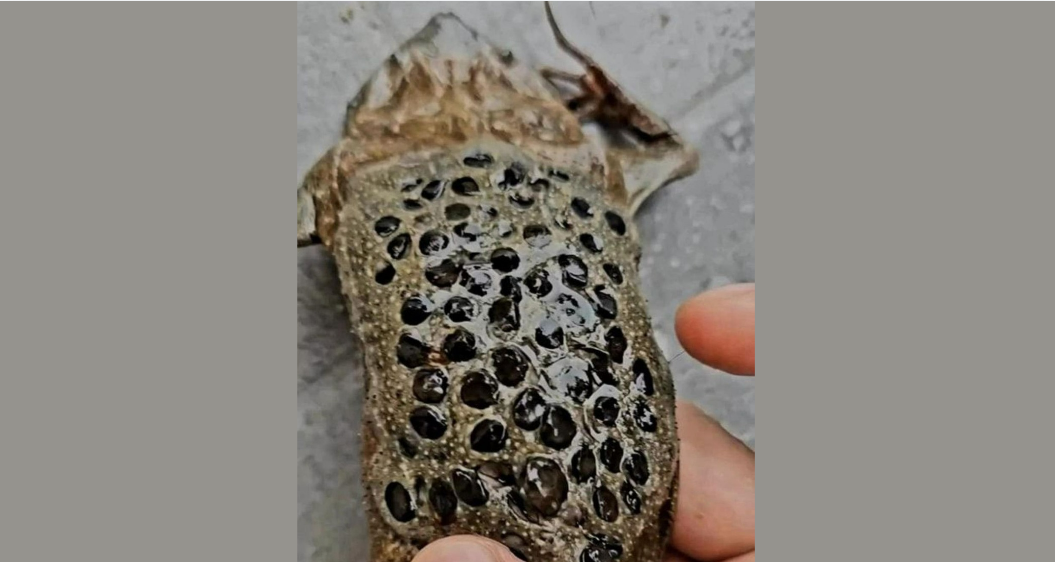
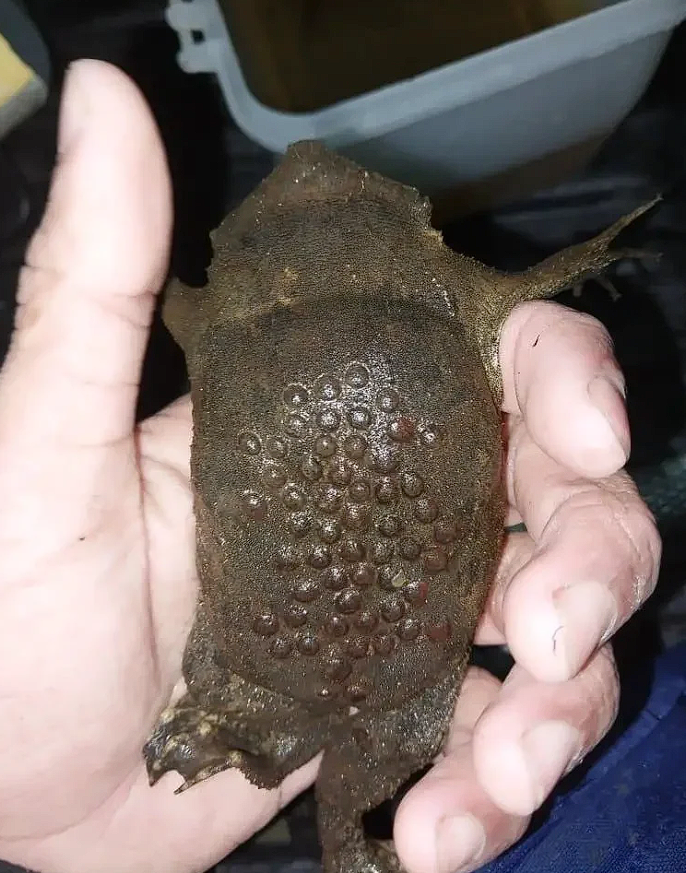
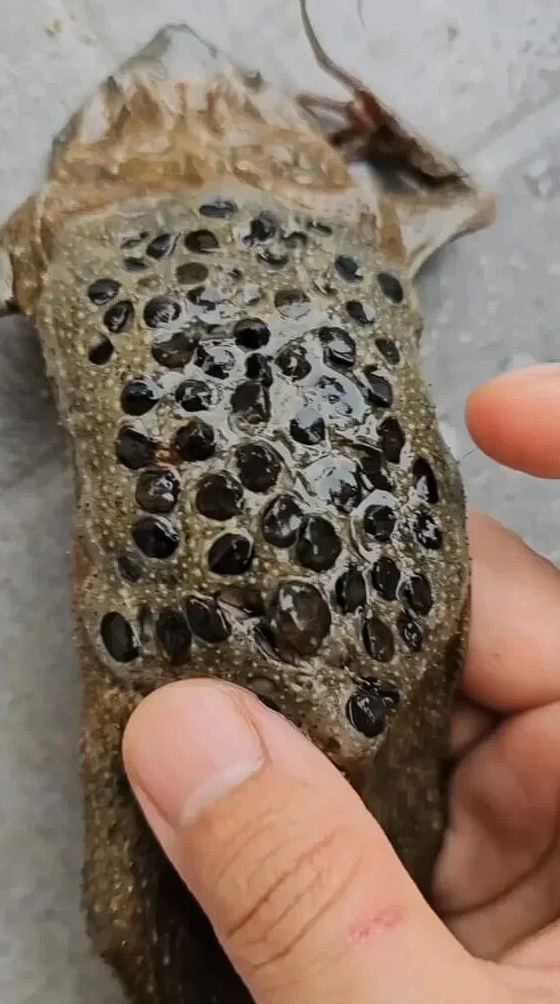
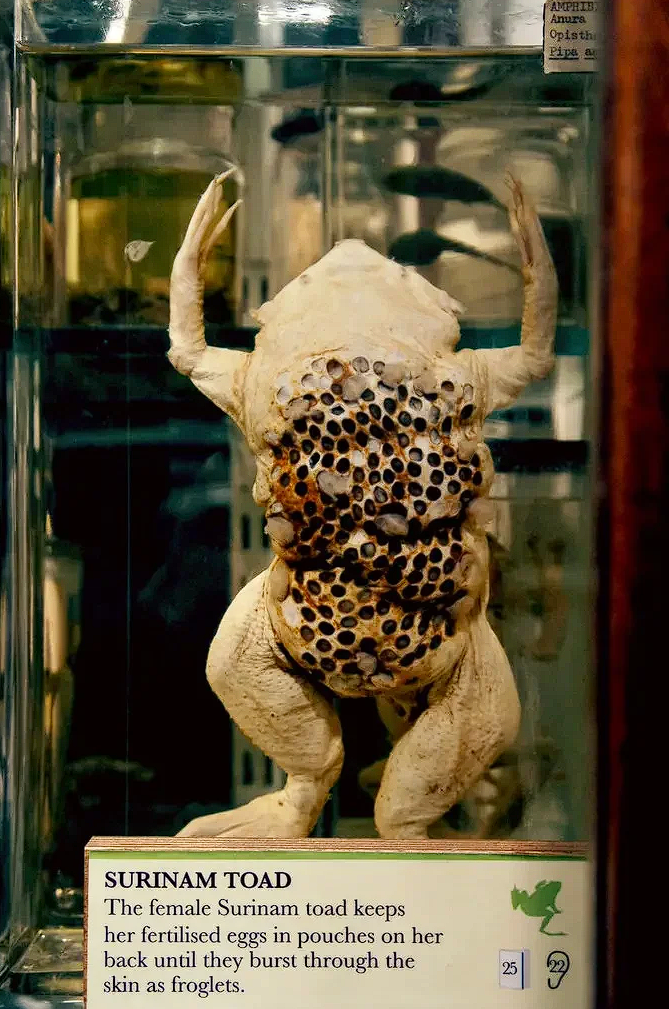
Prepare to be amazed by one of the most extraordinary reproductive feats in the animal kingdom! Meet the Surinam toad (Pipa pipa), an amphibian that turns the conventional process of birth upside down—by giving birth through its back!
Found in the rainforests of South America, this unique creature has developed a jaw-dropping adaptation that makes it one of nature’s most fascinating examples of evolution.
The Surinam Toad’s Unique Reproductive Process
During the mating process, the female Surinam toad embeds her fertilized eggs directly into specialized pockets in the skin on her back. As the embryos grow, they create small openings, turning her into a living, breathing nursery.
In a sight that seems like something from a science fiction movie, tiny fully-formed toadlets eventually burst forth from these openings, ready to begin their independent lives.
Unusual Mating Behavior
What’s even more unusual is how the males attract mates. Unlike most toads, which use loud croaks to draw attention, the male Surinam toad produces a sharp clicking sound by snapping the hyoid bone in his throat. Once paired, the mating duo engages in a remarkable acrobatic display, rising and flipping through the water in arcs.
Each time they flip, the female releases 3 to 10 eggs, which the male carefully embeds into her back. Over the next few days, these eggs sink into the skin, forming a honeycomb-like pattern of protective pockets where the embryos develop.
Independent Toadlets
As the embryos mature, they skip the typical tadpole stage and emerge as fully developed toadlets, less than an inch long. Once they leave their mother’s back, they begin their largely solitary lives. Afterward, the mother sheds the thin layer of skin used during the birthing process, ready to repeat the cycle again.
Nature’s Living Nursery
This extraordinary adaptation not only protects the developing young from predators but also allows the mother to maintain her aquatic lifestyle without the need for constant care of her offspring. The Surinam toad’s remarkable reproductive strategy is a striking example of the diversity of life and the incredible ways animals evolve to survive in the wild.
Discover how skin signals can help diagnose serious diseases accurately, leading to timely treatment and improved outcomes.
Serious diseases can manifest through skin indicators, extending beyond acne. Neglecting skin issues for appearance’s sake can worsen the situation. Numerous skin signals exist as red flags for underlying serious diseases.
*Please, be aware that we DO NOT intend to provide medical advice. Any content in our materials is purely for informational purposes. We strongly suggest seeking healthcare professionals’ guidance.READ MORE BELOW
Acne is a common skin condition that affects millions of people worldwide, particularly teenagers and young adults. It occurs when hair follicles become clogged with oil, dead skin cells, and bacteria, leading to inflammation. The most common types of acne include blackheads, whiteheads, papules, pustules, nodules, and cysts. While acne is not a life-threatening condition, it can significantly impact self-esteem and mental well-being, making it an important issue to understand and address.
Our bodies constantly communicate our health status through various signs. Here are eight important cues to pay attention to:
A cyst is a small pocket of tissue often filled with fluid or pus. It can occur due to an injury, infection, or other issues. They’re usually benign but may need treatment for complications.
Cysts can vary in appearance depending on their type and location. Here are 11 types of cysts.
Epidermoid cyst
Epidermoid cysts are small, benign bumps filled with keratin. Kertain is a protein that’s essential in forming your skin, hair, and nails. Epidermoid cysts occur when something blocks hair follicles, and skin cells build up beneath this blockage.
These cysts can look like a skin-colored, tan, or yellowish bump filled with thick material. They typically occur on your face, neck, or torso, but can occur across your body.
In rare cases, epidermoid cysts can be caused by an inherited condition called Gardner syndrome.
Sebaceous cyst
Sebaceous cysts are filled with sebum and are less common than epidermoid cysts. They often form within sebaceous glands, which are part of your skin and hair follicles. Sebaceous glands make oil for your skin and hair.
These cysts most commonly occur on your face, neck, or torso, and are often the result of damage to sebaceous glands.
Breast cyst
Benign cysts can develop when fluid collects near your breast glands. They can cause pain or tenderness in the affected area.
While breast cysts are noncancerous, there are many possible other more serious causes for a lump in your breast. It’s important to be familiar with how your breasts typically feel so you’re aware of changes. This way, you’re more likely to notice changes right away.
You should try to make an appointment to see a healthcare professional if:
you discover a new lump
an area of your breast is noticeably different than the rest
a lump changes or grows larger
you notice unexpected discharge from the nipple
you have an inverted nipple, and it wasn’t always inverted
Ganglion cyst
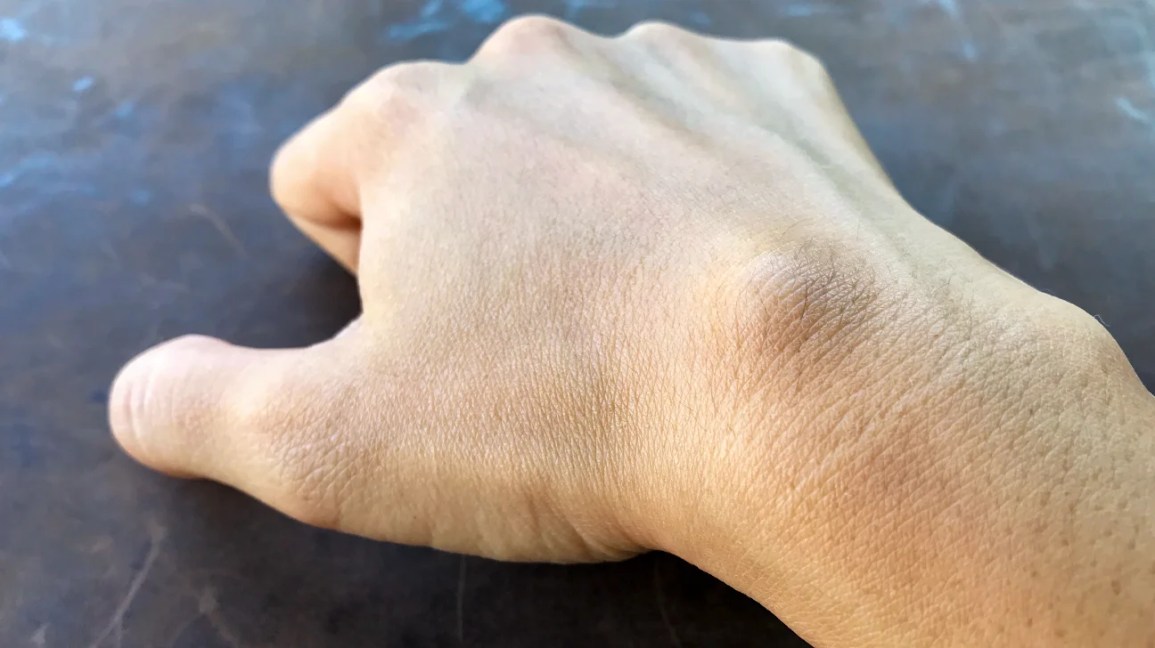
A ganglion cyst is a round, gel-filled lump of tissue that usually appears along tendons or joints, especially in the hands, wrists, ankles, and feet. Fluid accumulation can occur due to injury, trauma, or overuse, but often the cause is unknown.
A ganglion cyst is common, harmless, and doesn’t cause pain or difficulties unless it grows and puts pressure on other structures.
Pilonidal cyst
A pilonidal cyst is a common skin condition that forms in the cleft at the top of your buttocks. It consists of a small hole or tunnel in the skin that may become infected and fill with fluid or pus and it typically occurs after puberty.
Changing hormones, hair growth, and friction from clothes or from spending a long time sitting may all cause a pilonidal cyst.
Symptoms of an infection include:
pain when sitting or standing
discolored or sore skin around the area
pus or blood draining from the abscess, causing a foul odor
swelling of the cyst
hair protruding from the lesion
Ovarian cyst
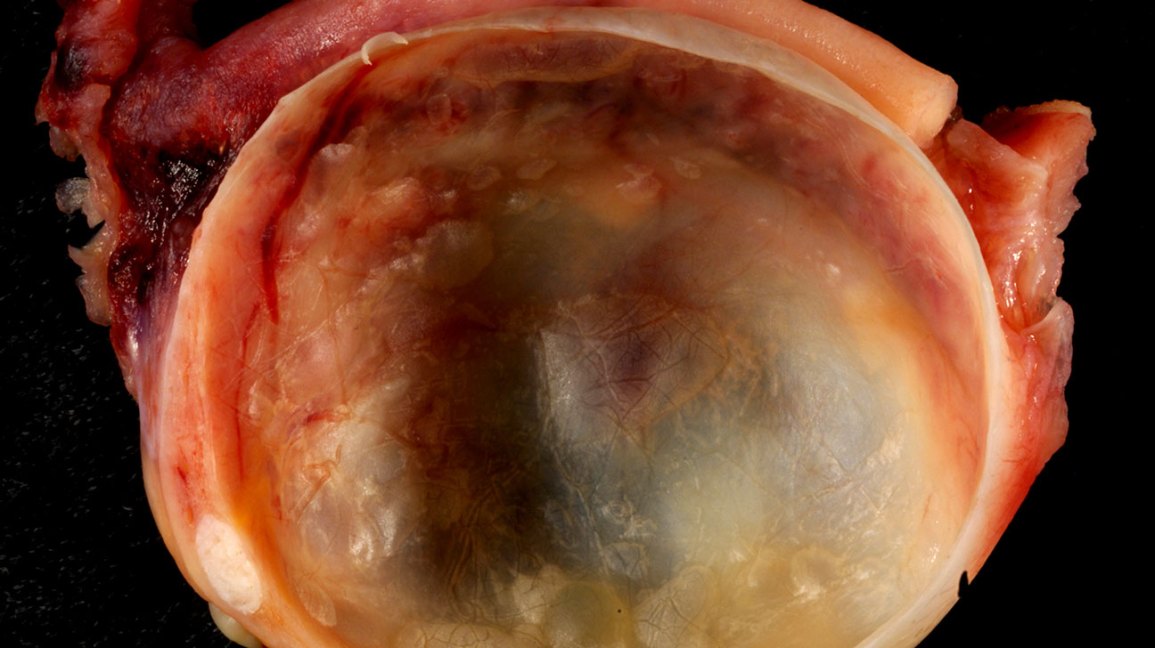
Ovarian cysts often form when the follicle that normally releases an egg doesn’t open. This causes fluid to build up and form a cyst.
Another common type of ovarian cyst occurs after the follicle releases the egg and improperly recloses and collects fluid.
Ovarian cysts occur most often in those of menstrual age and are typically first found during pelvic exams.
Ovarian cysts are associated with an increased risk of cancer when they occur after menopause.
Baker (popliteal) cyst
A Baker cyst is a swollen, fluid-filled sac at the back of your knee.
Causes of Baker cysts include conditions or occurrences that affect the joints such as arthritis, inflammation from repetitive stress, or a cartilage injury. Baker cysts can cause inflammation and pain and lower range of motion in your knee.
Physical therapy, fluid draining, and medication can all be used to help treat a Baker cyst.
Pilar cyst
A pilar cyst is a noncancerous, skin-colored, round bump that develops under the surface of your skin. They usually affect the skin on the scalp and results from protein buildup in a hair follicle.
They’re not cancerous, but they can grow to a size that can be uncomfortable.
Mucous cyst
A mucous cyst is a fluid-filled lump that forms on your lip or around your mouth when the salivary glands become plugged with mucus. The most common causes of mucous cysts include:
lip or cheek biting
lip piercings
rupture of the salivary gland
improper dental hygiene
Mucous cysts will often go away on their own. But if you have recurring or frequent mucous cysts, you may need medical treatment.
Branchial cleft cyst
A branchial cleft cyst is a type of developmental irregularity in which a lump develops on one or both sides of your neck or below your collarbone. It occurs during embryonic development when tissues in your neck and collarbone, or branchial cleft, develop differently.
In most cases, a branchial cleft cyst isn’t dangerous. But it may cause skin irritation, skin infection, or — in very rare adult cases — cancer.
Perineural (Tarlov) cyst
A perineural cyst is a fluid-filled sac that forms on the spine.
Causes are unknown, but it may result from back trauma, including falls, injuries, and heavy exertion.
A perineural cyst can cause pain in your lower back, buttocks, or legs, but this is rare. If you do have symptoms, draining the fluid can help to relieve them.
A pseudocyst shares some of the characteristics of a cyst, but the bump doesn’t have its own lining. Here are three types of pseudocysts.
Folliculitis (ingrown hair cyst)
Folliculitis is an infection of hair follicles. It’s often the result of a fungal or bacterial infection and can often resemble acne.
These pseudocysts are often seen in people who use hair removal methods like shaving or waxing. Ingrown hair cysts are an example of folliculitis. While ingrown hair cysts are possible, if you have bumps that appear near ingrown hairs, there’s a good chance that they’re actually razor bumps instead.
Razor bumps are also known as pseudofolliculitis barbae, which is a type of pseudofolliculitis. Unlike folliculitis, pseudofolliculitis isn’t usually infectious.
Chalazion
A chalazion is a small, usually painless lump on your eyelids that occurs when the duct of the meibomian gland, an oil gland, is blocked.
These pseudocysts can cause tenderness, blurred vision, and painful swelling. If they get too big, they can cause vision difficulties.
Cystic acne
Cystic acne results from a combination of bacteria, oil, and dead skin clogging the pores. It’s the most severe type of acne, but it usually improves with age.
Cystic acne can look like large, pus-filled boils on the skin. It can also be painful to the touch. If these boils rupture, they can cause scarring.
Cystic acne most commonly occurs on your face, chest, neck, back, and arms.
If you believe you may have cystic acne, a dermatologist can prescribe medications to help treat it.
The primary causes of acne include excess oil production, clogged pores, bacterial infections, and hormonal fluctuations. Hormones, particularly androgens, stimulate the sebaceous glands to produce more oil, increasing the likelihood of clogged pores. Genetics also play a crucial role, as people with a family history of acne are more likely to develop it. Other contributing factors include stress, certain medications, diet, and environmental pollutants. Understanding these triggers can help individuals take preventive measures to reduce breakouts.
Acne can be categorized into different severity levels, from mild to severe. Mild acne typically consists of blackheads and whiteheads, while moderate acne includes inflamed pimples and pustules. Severe acne is characterized by painful nodules and cysts, which can lead to scarring if not treated properly. The severity of acne determines the best treatment approach, ranging from over-the-counter products to prescription medications. Early intervention is crucial in preventing long-term skin damage.
There are various treatment options available for acne, depending on its severity and underlying causes. Mild acne can often be managed with topical treatments containing ingredients like benzoyl peroxide, salicylic acid, or retinoids. For moderate to severe cases, dermatologists may prescribe oral antibiotics, hormonal therapies, or isotretinoin (commonly known as Accutane). Additionally, professional treatments such as chemical peels, laser therapy, and extractions can help improve the skin’s condition.
Skincare plays a vital role in acne prevention and management. A proper skincare routine should include gentle cleansing, exfoliation, hydration, and sun protection. Using non-comedogenic products that do not clog pores is essential for acne-prone skin. It is also important to avoid excessive touching or picking at acne lesions, as this can worsen inflammation and lead to scarring. Maintaining a healthy diet, managing stress, and staying hydrated can also contribute to clearer skin.
Acne is a complex condition influenced by multiple factors, but with the right knowledge and care, it can be effectively managed. While there is no universal cure, advancements in dermatology have provided various treatment options to help individuals achieve healthier skin. Consulting a dermatologist for personalized advice is always recommended, especially for persistent or severe acne. By adopting a consistent skincare routine and making lifestyle adjustments, many people can significantly reduce breakouts and improve their overall skin health.
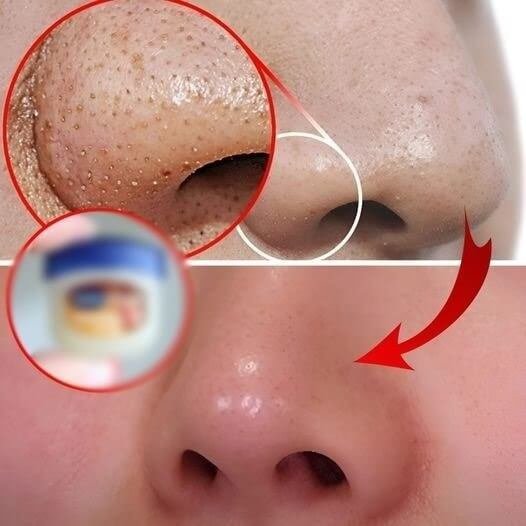
Squeezing blackheads on the nose is common, but doing it the wrong way can lead to irritation, infection, or scarring. Warming your face with a hot towel or compress for 10–15 minutes softens the skin and opens pores, making extraction easier. Regular warm compresses before bed also help loosen buildup. After squeezing, wash your hands, cleanse your face gently with a mild cleanser, and moisturize with an oil-free lotion. Avoid picking or using sharp tools like needles or pins. Use clean tissues to prevent bacteria spread, and for best results, use a comedone extractor—a looped tool designed to remove blackheads gently without damaging the skin.
If you’re struggling with blackheads and looking for a simple, natural way to clear your pores and achieve smooth skin, this Vaseline and makeup remover oil method is a game-changer. It’s an easy, effective DIY treatment that helps to gently remove blackheads and cleanse your nose area. The combination of warm compress, Vaseline, and makeup remover oil softens your pores and helps to lift out dirt and debris.
Ingredients:
5 cotton swabs
1 jar of Vaseline (or any other wax/fat moisturizer)
1 cotton towel
1 piece of food wrap (about 15cm x 7cm)
1 glass of warm water
3 makeup remover cotton pads soaked in rose water
Cleanser (gentle and non-drying)
Makeup remover oil
Step-by-Step Instructions:
Step 1: Apply Vaseline
Take a cotton swab and dip it into the Vaseline.
Gently sweep the Vaseline evenly across the area of your nose where blackheads are present. Make sure it’s well-coated but not too thick.
Step 2: Cover with Plastic Wrap
Cut a small piece of plastic wrap (about 15cm x 7cm).
Carefully place the plastic wrap over the area of your nose where you applied the Vaseline. Ensure it directly covers the Vaseline layer to help lock in warmth.
Step 3: Apply Hot Towel
Dip a cotton towel into warm water, then wring out the excess water.
Place the warm towel over the plastic wrap for about 30 seconds to 1 minute. The heat will help open your pores, allowing the Vaseline to penetrate and loosen blackheads.
Step 4: Remove the Plastic Wrap
After the towel treatment, carefully remove the plastic wrap from your nose.
Use a cotton swab to gently wipe off any remaining Vaseline from your nose.
Step 5: Use Makeup Remover Oil
To completely remove the leftover Vaseline, dip a cotton swab into makeup remover oil.
Gently massage the oil onto your nose. The oil will break down the Vaseline while softening the pores, making it easier to lift the blackheads.
Step 6: Emulsify with Water
After massaging in the makeup remover oil, add a little warm water to emulsify the oil.
Continue massaging in circular motions to remove the remaining Vaseline and oil completely. This helps clean and soften your skin.
Step 7: Final Cleanse and Blackhead Removal
Use a clean cotton swab to gently roll across your nose, from one nostril to the other.
Gently massage the entire nose area to remove any remaining blackheads. The oil residue will help lift out dirt and blackheads from your pores.
Different people have different reactions to various situations, substances, or environmental factors. This is because each person’s body is unique, shaped by a combination of genetics, lifestyle, diet, and environmental influences.
However, despite these individual differences, it’s important to recognize that the human body functions as a complex, interconnected system.
In such a system, a change or problem in one area can often influence or be linked to another. For example, symptoms that appear unrelated at first—such as fatigue, skin issues, or digestive discomfort—can sometimes point to underlying health conditions.
Because of this interconnectedness, certain signs and symptoms can serve as warning signals, alerting us to possible health concerns before they become more serious.
These signs may be subtle or easily overlooked, but paying attention to them can help us catch imbalances or illnesses in their early stages. By understanding how different parts of our body are related, and by staying in tune with how we feel physically and mentally, we can become more proactive in maintaining our overall well-being. Regular checkups, listening to your body, and seeking medical advice when something feels off are all essential steps in preventing health problems and promoting long-term health.
Ethan Raines, husband of YouTuber and Save a Fox founder Mikayla Raines, shared heartbreaking news of her passing in an emotional video on June 23, 2025.
He revealed that Mikayla, who had long struggled with depression and borderline personality disorder, died by suicide after enduring years of online bullying and personal pain.
“She was deeply sensitive,” Ethan said, “and while that made her incredibly empathetic, it also meant she absorbed every cruel word.”
Despite years of attacks—some from others in the animal rescue world—Mikayla continued her mission to rescue foxes and educate the public. But this time, Ethan explained, “it went too far.”
Mikayla’s death triggered an outpouring of grief online. Fans, fellow rescuers, and supporters praised her compassion, strength, and the legacy she leaves behind—both through her rescue work and her daughter, Freya.
Mikayla’s passion began at age 15 after meeting her first fox. She later left college to dedicate her life to saving animals, eventually rescuing hundreds, including a large-scale operation to shut down a fur farm. Though she’s gone, her mission lives on through.